Irrigation & Sprinkler Leak Detection in Long Branch, NJ
Acoustic and pressure diagnostic pinpointing for subterranean lawn sprinkler lines, zone control valves, and failing backflow preventers across coastal Monmouth County estates.
Talk with a Local Leak Specialist: (201) 510-1615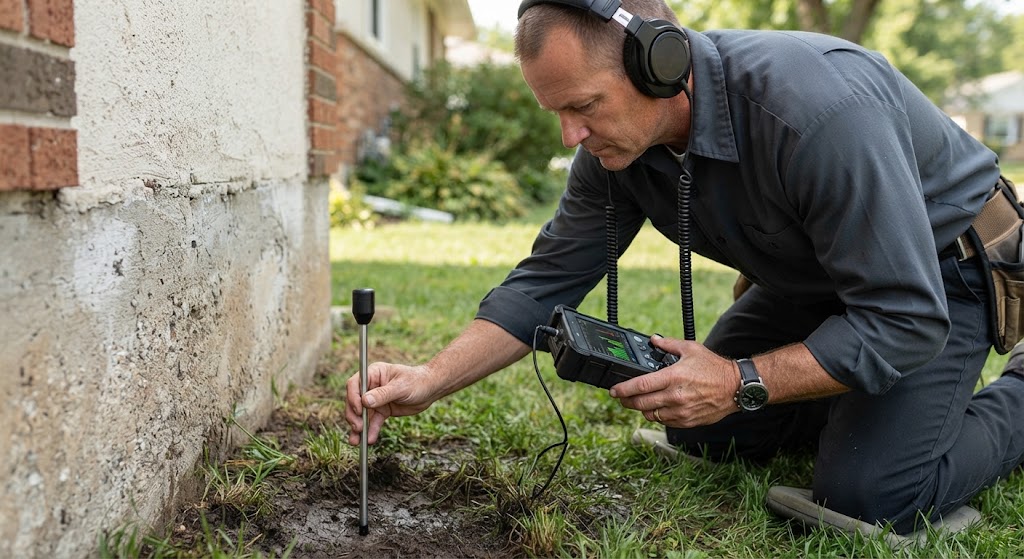
Locate Underground Sprinkler Leaks Without Digging Up Your Lawn
A broken subterranean sprinkler line or weeping zone manifold wastes staggering volumes of water while quietly eroding landscaping and undermining driveways. Offering precision sprinkler leak detection Long Branch NJ property owners rely on, our non-invasive diagnostic protocols pinpoint buried breaks before your turf is damaged. In upscale Long Branch neighborhoods like West End and Elberon, extensive landscaped grounds rely on multi-zone automatic irrigation systems to keep coastal lawns healthy.
Because the native topsoil across Long Branch consists largely of porous coastal sand, underground water leaks often percolate deep into subsoil without producing a visible surface geyser. Homeowners only discover the issue when their monthly utility bills spike dramatically. Our specialized leak detection in Long Branch team isolates the exact buried break coordinate with acoustic precision, keeping landscape damage to a minimum.
Warning Signs of an Underground Irrigation Leak
Subterranean sprinkler system leaks present distinctive environmental and mechanical symptoms across your property:
Key Indicators Across Your Grounds and System
- Soggy or Spongy Lawn Sections: Muddy, saturated turf or pooling water near sprinkler heads hours after the watering cycle has completed.
- Alarming Summer Water Utility Spikes: Sudden, unexplained increases in your municipal water consumption during irrigation season.
- Reduced Sprinkler Head Pressure: Spray heads in a specific zone failing to pop up fully or spitting a weak trickle instead of an even spray arc.
- Continuous Meter Movement with Indoor Fixtures Off: Water meter dial spinning while all household faucets are idle and the irrigation timer is inactive.
- Dripping or Weeping Backflow Assembly: Persistent discharge, spitting, or puddling beneath the outdoor backflow preventer mounted on the foundation wall.
- Abnormally Lush or Sunken Turf Strips: Isolated strips of overgrown, dark green grass or depressed ground trenches tracing buried lateral pipe runs.
Local Causes of Sprinkler Failures in Long Branch
Long Branch coastal environmental factors create unique vulnerabilities for buried sprinkler systems. Winter freeze cycles along the Jersey Shore are a primary driver of sprinkler pipe failure. If an irrigation system is not thoroughly winterized with industrial air compressors in the autumn, standing water in low lateral runs freezes and expands, cracking PVC pipe walls and shattering plastic zone valves.
Additionally, coastal landscaping often features mature ornamental trees whose roots exert steady compressive force against shallow buried PVC lines. Shifting sandy soil along Route 36 and near Ocean Avenue causes pipe movement and joint fatigue. Furthermore, high coastal water tables and corrosive salt air cause corrosion on exterior backflow valves and brass check assemblies.
Step-by-Step Irrigation Diagnostic Methodology
Pinpointing a buried sprinkler break requires zone-by-zone isolation and acoustic sensor testing:
Backflow & Master Valve Isolation
We test the main irrigation shut-off valve and backflow preventer assembly to confirm whether water is escaping on the supply line or lateral zones.
Zone-by-Zone Pressure Testing
Each independent irrigation zone is isolated and pressurized with regulated compressed air to observe hydrostatic pressure decay on precision gauges.
Acoustic Ground Microphone Survey
For zones showing pressure loss, acoustic microphones sweep the buried pipe path, listening for the distinctive acoustic signature of escaping air through turf.
Manifold & Valve Chamber Inspection
We inspect buried solenoid valve boxes with electronic locators to identify weeping diaphragms, cracked valve bodies, and loose wiring connections.
What Happens After Detection: Targeted Landscape Repairs
Once our diagnostics establish the exact location of the subterranean break, we mark the repair coordinate directly on the turf with survey flags. In New Jersey, plumbing work connected to the potable water supply—including backflow preventers—requires a NJ licensed master plumber. Furthermore, New Jersey state law mandates calling NJ One Call (811) before digging to ensure buried utility lines are safe. Repair procedures include:
- Surgical Sod Extraction: Your landscape contractor carefully removes a single 12x12-inch sod plug directly over our marked flag, preserving the surrounding lawn.
- Targeted Lateral Pipe Splicing: The technician removes the fractured PVC or flexible poly pipe segment and installs a heavy-duty compression coupling or glued slip-fix fitting.
- Zone Valve Rebuilding: Weeping underground manifold valves are rebuilt with fresh internal diaphragms and solenoids without digging up the entire manifold box.
- Backflow Assembly Certification: Failing backflow preventers are repaired and tested to satisfy New Jersey Department of Environmental Protection drinking water safety standards.
If your property also experiences domestic water supply or swimming pool issues, consult our water line leak detection and pool leak detection services.
Cost Factors for Sprinkler Leak Diagnostic Services
The technical effort required to isolate sprinkler leaks depends on system design and site layout rather than arbitrary pricing:
- Number of Irrigation Zones: Large coastal properties with 12 to 24 separate watering zones require more testing time than compact residential 4-zone layouts.
- Buried Valve Box Visibility: Overgrown, sod-covered, or buried manifold boxes require electronic valve-locating equipment to uncover.
- Pipe Material & Soil Moisture: Rigid PVC lines transmit acoustic signals differently than flexible polyethylene tubing buried in waterlogged sandy soil.
- Hardscape Obstacles: Sprinkler lines running beneath paver walkways, asphalt driveways, or concrete patios require specialized acoustic frequency filters.
Prevention Tips & Emergency Response
Protecting your Long Branch irrigation system requires diligent seasonal care. Always schedule a professional autumn blowout using high-volume, low-pressure air compressors before the first hard freeze. Have your backflow preventer inspected annually to prevent contaminated water from back-siphoning into your drinking supply. Adjust controller runtimes seasonally to avoid over-pressurizing lateral zones.
When an Irrigation Leak Becomes an Urgent Emergency
If a severed irrigation main line is actively washing out soil beneath a foundation wall, flooding a finished basement, or creating a sinkhole near a driveway, shut off the dedicated irrigation isolation valve immediately. If water enters your home, follow our emergency leak repair procedures to protect building finishes.
Neighborhood Focus: West End & Elberon
Extensive residential sprinkler systems are common across spacious properties in West End and Elberon, where sandy soil and winter freeze cycles frequently cause hidden lateral pipe fractures.
View All Long Branch Service AreasPinpoint Underground Sprinkler Leaks Accurately
Stop wasting water and protect your lawn from exploratory digging. Contact our Long Branch irrigation diagnostic team today.
Call (201) 510-1615